Working in Colorado With Employer Housing
Resort towns where the rent would eat your whole paycheck — unless you take the job that comes with a bed.
Colorado
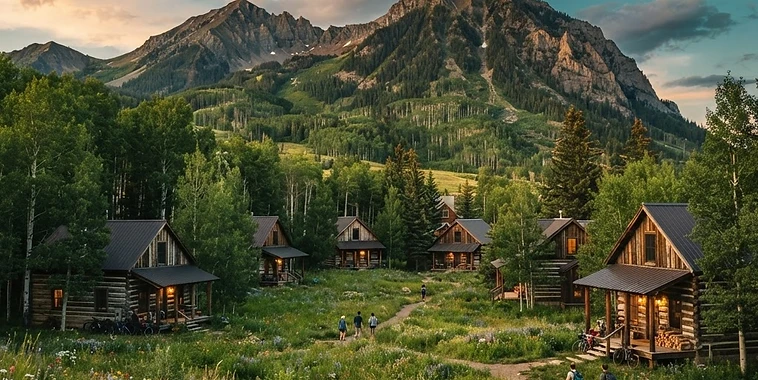
Why employer housing changes everything in Colorado
Colorado's resort towns are among the most beautiful — and most expensive — places in America to rent on a seasonal wage. In a town where market rent can swallow an entire paycheck, a job that comes with a bed is not a perk; it's the whole financial plan. That's why OutPost lets you filter for housing: available, and why in this state, more than any other, that filter is the difference between a savings season and a survival season. Employer housing in Colorado is normal, established and everywhere: the big resorts and many hotels and lodges run housing programs specifically because they know no seasonal worker can cover local market rent.
What employer housing actually looks like
Expect shared apartments, condos or dorm-style rooms close to work — often ski-in/ski-out or on a free transit line. Costs are usually a flat weekly or monthly rate deducted from your paycheck, frequently with utilities included. Rooms are typically shared, roommates are typically assigned, and there is a housing agreement with house rules: read it before you sign, because violations are the number-one way seasonal workers lose both housing and job at once. Ask the same four questions everywhere: exact cost and period, deposit terms, payroll deduction details, and when the housing opens and closes relative to your contract. Every OutPost listing shows the verified housing facts for that specific job.
Two seasons, double the chances
Colorado runs two big hiring waves. Winter (roughly November through April) is the giant: ski resorts hire thousands for lift operations, food and beverage, housekeeping, rental shops, ski school support and more. Summer (June through September) is the second engine: hiking, rafting, guest ranches, park tourism and festival towns all staff up. The shoulder seasons — May and late October — are the lean gaps, so plan your start and end dates to bridge them or embrace them as travel time. A strong seasonal worker is the first candidate for return offers and for the year-round conversions that do exist. Many Colorado careers started as one winter behind a cafeteria counter.
Getting around the mountains
You can do a Colorado season without a car: resort towns run free or cheap year-round transit, regional buses connect to Denver, and employer housing is usually placed with the commute in mind. But a car transforms your days off — trailheads, hot springs, desert road trips and the next town over all open up. If you bring one, ask about employee parking early; resort parking is scarce and sometimes metered. Denver is the main flight hub, roughly two to four hours from most resort towns, with mountain shuttles from the airport. Front Range buses and the Bustang regional service cover many corridors.
The financial reality
Colorado's minimum wage is well above the federal floor, and posted resort wages have risen sharply as employers compete for seasonal staff. Add strong tips in hospitality and the fact that employer housing caps your biggest expense, and a Colorado season can genuinely end with savings — something almost no one achieves renting on the open market in the same towns. Do the math before you go: hourly rate times expected hours, minus housing deduction and food, equals your season. OutPost shows the verified pay and housing on every listing so the math uses real numbers.
Seasonal timing
Ski resorts hire August through October for November starts; summer operations hire February through May. The earliest applicants get the best housing picks, and summer roles thin out by late spring. Winter contracts run November to April, summer contracts June to September, and the shoulder months between them are the natural travel windows — or the natural gap to plan savings around.
What to bring
- Serious winter gear: insulated jacket, waterproof gloves, warm boots
- Base layers for work and for the mountain
- Ski or snowboard gear if you have it (resort rentals get staff discounts otherwise)
- Sunscreen and lip balm — high-altitude sun is brutal
- A water bottle; altitude demands hydration
- Twin bedding for shared rooms
- Patience for your first week at altitude
- A willingness to befriend your roommates — they're your season
Local costs
Market rent in a Colorado resort town can exceed a seasonal worker's entire monthly paycheck — which is precisely why employer-housing listings are the play. Groceries and gas in mountain towns run above Front Range prices; staff discounts, employee stores and cooking at home close most of that gap. Each OutPost listing's verified housing and pay details are the real numbers for your season; use them, not generalities.

Filter for housing, apply before the hiring rush, and read the housing agreement before you sign — the room is half the job.
Open jobs in Colorado right now
For sponsors
Put your brand where workers plan this exact move
Rental cars, airlines, housing, moving companies, banks, outdoor retailers and telecoms: OutPost guides reach people at the moment they decide to relocate. Clearly labeled sponsorships, from $250.