Working a Summer in Yellowstone
A season inside America's first national park: the concessioners, the dorms, the pay, and what to pack for life at 7,700 feet.
Wyoming
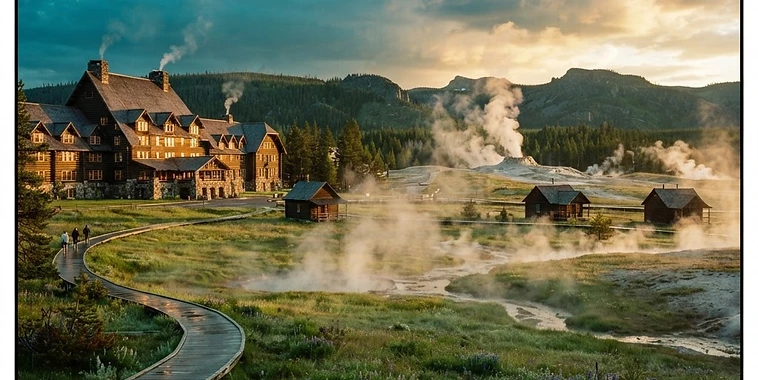
Who actually hires in the park
Yellowstone's lodges, restaurants, gift shops and tours are run by authorized concessioners, and together they hire thousands of seasonal workers every year — housekeeping, kitchen crew, front desk, retail, maintenance, interpretive and guiding roles. OutPost lists these roles as they post, along with jobs in the gateway towns (West Yellowstone, Gardiner, Cody, Cooke City) where restaurants, tour outfitters and hotels hire their own summer crews. Park-based jobs usually come with employee housing, which in Yellowstone is the difference between a profitable summer and an impossible one — there is essentially no private rental market inside the park.
Living in the park: dorms and dining halls
Most in-park employees live in employer dorms or small shared cabins, often with meals available in an employee dining hall at a modest cost. Expect a shared room, communal bathrooms in many buildings, and real house rules — quiet hours, guest policies and alcohol rules are enforced, because this is employer housing, not a rental you own. The trade is hard to beat: you wake up inside America's first national park, your commute is a walk, and your days off start at trailheads other people fly across the country to reach. Bring modest dorm gear, patience for shared living, and a door you can close.
Getting there
Most workers fly into Bozeman, Jackson or Idaho Falls and take a bus or employer shuttle the rest of the way. You do not need a car to work a Yellowstone summer — but you will want one (or a friend with one) for days off in Grand Teton, the Beartooths and the rest of the Greater Yellowstone ecosystem. Some employees bring bikes; in-park distances are real. Confirm with your employer how to get from your arrival airport to your housing, and whether your housing is open the night you land. Book flights after your contract dates are confirmed, not before.
The work and the roles
The backbone roles are housekeeping, food and beverage, front desk and retail — reliable, plentiful, and a fast way into the best-run operations. Kitchen crews and dish staff are hired in the largest numbers and often have the most overtime. If you have serving experience, bring it: tipped positions inside the park do well. Promotions from within are common for returning staff. A solid first season routinely turns into an invitation back with better pay and better housing — one of the quiet perks of concessioner life.
Life at altitude
The park sits mostly between 6,000 and 8,000 feet. Take your first week slower than you think you need to, drink more water than seems reasonable, and take the sun seriously — it is fiercer at altitude than anywhere most people have lived. It can snow in June, and August nights get cold. And the wildlife rules are real rules: bison are not tame, bear country protocols apply on trails, and the animals you photograph on your commute have the right of way. Respect them and the season respects you back.
Seasonal timing
Applications open as early as November and December for the following summer, and hiring runs hard December through March. The best roles and preferred housing go to the earliest applicants; by late spring you're choosing from what's left. Most contracts run May through September, with some spring and fall shoulder roles. If you want to return, tell your supervisor in July — rehire lists form early.
What to bring
- Twin XL bedding unless your employer says otherwise
- Towel, shower shoes and a bath caddy
- Warm layers — it can snow in June
- A real rain shell
- Broken-in hiking shoes for days off
- Sunscreen and sunglasses (altitude sun is no joke)
- A water bottle — altitude dehydration is real
- A headlamp for late shifts and stargazing
- An eye mask for dorm life
- A laundry bag and rolls of quarters
- A small first-aid kit
- A reusable mug for dining-hall coffee
Local costs
In-park prices are tourist prices — the general store is not your friend. Employee dining halls and employee stores exist precisely so staff don't pay them, and they make the season affordable. Employer housing and meal plans are the two numbers that decide your savings rate; both are shown on each OutPost listing exactly as the employer states them. Trust the listing over any general advice, including this guide's.

Apply by February for first pick of rooms and roles — and give the bison the space they ask for.
Open jobs in Wyoming right now
For sponsors
Put your brand where workers plan this exact move
Rental cars, airlines, housing, moving companies, banks, outdoor retailers and telecoms: OutPost guides reach people at the moment they decide to relocate. Clearly labeled sponsorships, from $250.