What to Know Before Taking a Job in Rural Alaska
Off the road system, everything is different: small planes, shipped-in groceries, and the most unforgettable seasons of your life.
Alaska
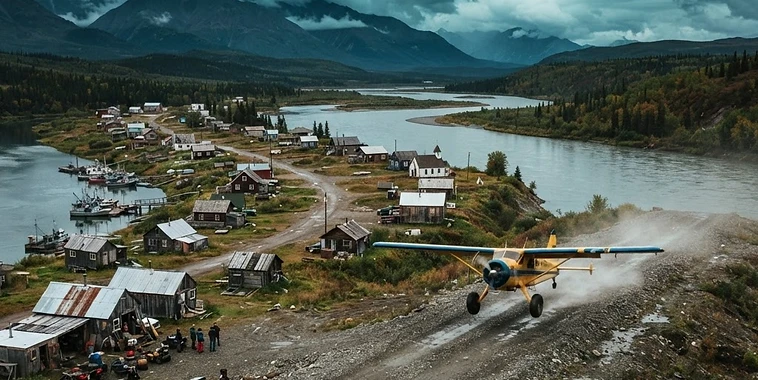
What rural Alaska actually means
Rural Alaska means off the road system: villages and regional hubs reachable only by small plane, or in summer by boat and in winter by snowmachine over the ice. Regional hubs like Bethel, Nome, Kotzebue and Dillingham are small towns with stores and clinics; the villages around them may number a few hundred people. The jobs are schools and clinics, fish processing and canneries, remote lodges, stores, tribal organizations and construction crews. Everything follows from the geography. No roads means everything — fuel, food, building materials — flies or floats in, and that shapes every dollar, every schedule and every packing decision. Accept the logistics and you get something almost nowhere else offers: a season in a place most Americans will never see.
Getting there is an operation
The standard route: fly to Anchorage, then a regional carrier to your hub, then possibly one more small plane or boat leg. Employers in the bush coordinate this constantly — ask them exactly what to book and when, and get it in writing. Do not improvise the last leg. Baggage limits are strict and real, often around 50 pounds per person on small aircraft. Pack light, and ship the rest: USPS works everywhere (slowly), and cargo or barge services move bulk gear for less than airline fees. Buy bulky items — rubber boots, bedding, winter gear — in Anchorage rather than paying to fly them.
The cost of everything
Groceries in bush communities can run far above lower-48 prices — every item arrived by air or barge, and the shelf tag shows it. Plan a deliberate food budget, learn the store's sale rhythm, and take seriously how much a job with meals included is actually worth: at processing plants and lodges, included meals can be the single biggest financial factor in the offer, worth more than a dollar-an-hour difference in wage. The flip side: there is almost nothing to spend money on. Workers in village jobs routinely save more than they ever have, because the entertainment budget is a fishing rod and the rent is employer housing.
Living in a small community
Many bush communities are predominantly Alaska Native — Yup'ik, Iñupiaq, Unangax̂, and more — and you are a guest in someone's home. That comes with real responsibility: learn names, show up on time, volunteer for the mundane things, ask before assuming, and treat subsistence fishing, hunting and cultural practices with the respect they deserve. Humility is the correct posture and it will be noticed either way. Reputation is currency in a village of a few hundred people, and your housing neighbors are your coworkers are your neighbors. Also know that many communities restrict or prohibit alcohol entirely — these rules are law, not suggestions, and violations end seasons immediately.
Safety and self-sufficiency
Medical care runs through a village clinic, with medevac to Anchorage or Seattle for anything serious. Weather delays are normal, not exceptional — build slack into every travel plan, keep a go-bag, and refill medications early because mail-order can take weeks. From October through April, cold-weather competence is a safety requirement, not a lifestyle choice. None of this is scary with preparation; all of it is dangerous without it. The workers who love bush Alaska are the ones who took it seriously from day one.
Seasonal timing
Fish processing and cannery work peaks May through September with hiring January through April — a hard clock with real deadlines. School-year roles start in August. Winter lodge and tourism jobs are fewer but real, and cold-season operations hire late summer through fall. Whatever the role, bush jobs hire earlier and close earlier than their road-system equivalents, because onboarding someone into a fly-in community takes planning.
What to bring
- Everything in 50 pounds or less — ship the rest
- A full season's supply of medications, filled before you go
- Winter parka, insulated boots and thermal layers if wintering
- Rubber boots for fish work and mud season
- Cash for arrival-week costs, plus a banking app that works remotely
- A headlamp for dark winters and dim village streets
- Entertainment for long nights: books, downloads, hobbies
- An open mind — the experience will exceed the inconvenience
Local costs
Where OutPost has confirmed housing, meals or travel terms for a specific listing, the listing says so plainly — trust it over any general guide. In bush Alaska, a job with included meals and employer housing can out-save a nominally higher wage anywhere else in the state, simply because the cost of living is mostly food and there is little else to buy. Budget deliberately for groceries, ship bulk items ahead, and treat every dollar of included meals as real wages.

Confirm travel logistics with your employer in writing, pack under the weight limit, and bring your best manners — bush Alaska runs on reputation and community.
Open jobs in Alaska right now
For sponsors
Put your brand where workers plan this exact move
Rental cars, airlines, housing, moving companies, banks, outdoor retailers and telecoms: OutPost guides reach people at the moment they decide to relocate. Clearly labeled sponsorships, from $250.